

From powder to component
Additive manufacturing, commonly known as 3D printing, has become a key concept in the off-highway industry. All major agricultural machinery manufacturers, as well as their OEM partners, are using this approach for prototype and small batch production and some have even fully integrated 3D printing into mass production. To be seen during the upcoming Systems & Components trade-fair, concurrently to take place with Agritechnica 2023.
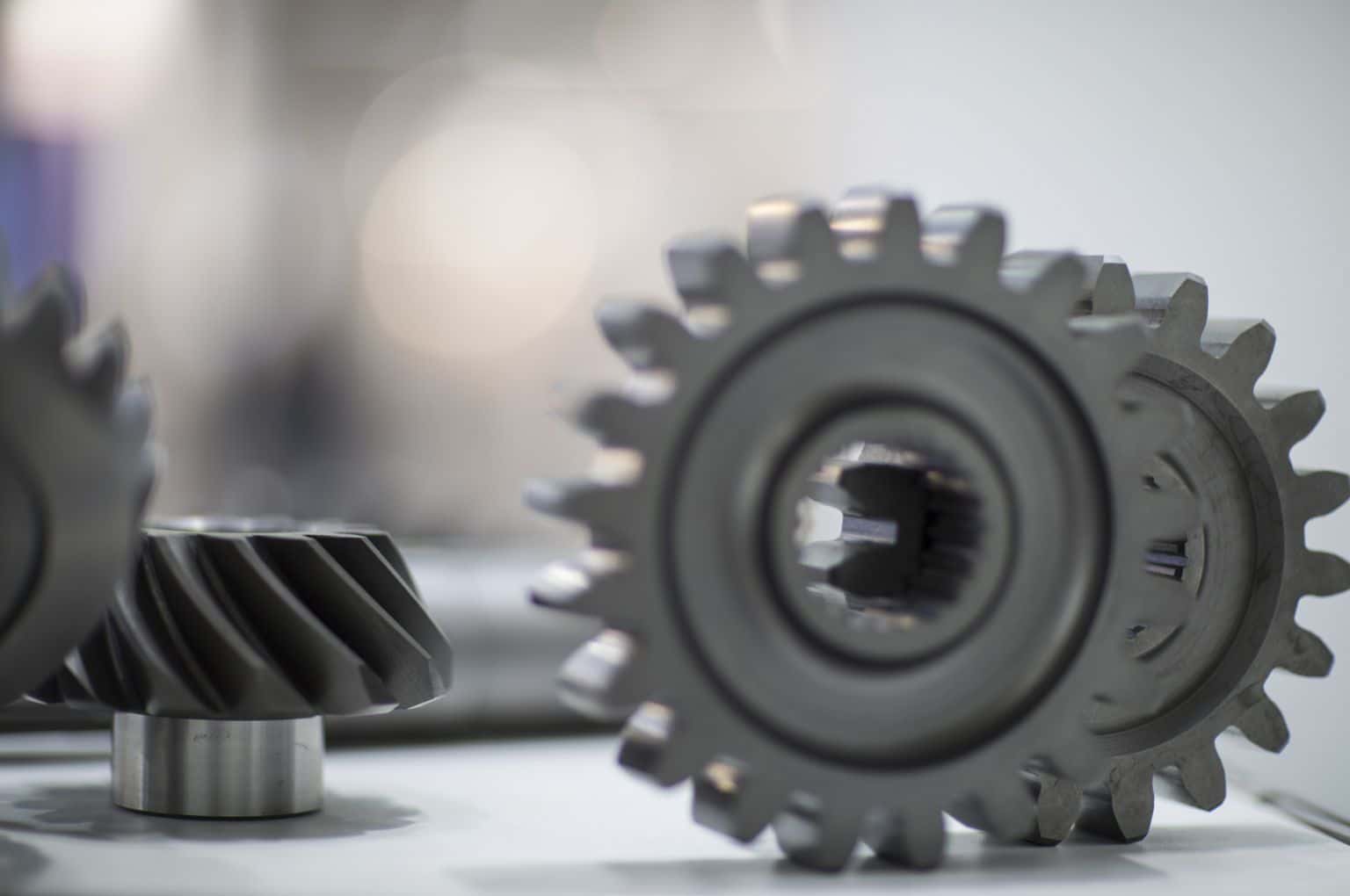
Custom availability, adaptability, small production quantities, and a high degree of freedom in shape and form – additive manufacturing can drastically shorten development times and produce highly complex component geometries cost-efficiently. The latest developments are attracting increasing interest from off-highway industries and, at Systems & Components, 3D printing will be vacating its rapid prototyping niche and preparing to significantly change the industrial value chain across the board. Unlike conventional subtractive manufacturing, in which material is removed by milling, turning or grinding, additive manufacturing applies material layer-by-layer to form a component. Various processes are used, and the spectrum of materials ranges from plastics and metals to ceramics.
New design freedoms in development
In addition to the familiar powder- and wire-based technologies, exhibitors at the Hannover exhibition center are also working on innovative material combinations to push the limits of 3D printing. For one, they are using ‘binder jetting’ technology, an additive process for the rapid production of sand casting molds, to be used for high-quality casting of components such as axle housings or wheel hubs. Making 3D molds with sand has decisive advantages in lightweight construction. In addition, the casting design can be more complex than usual since the need for parting lines is greatly reduced.
Friday, 28 July 2023
Want to know more ? Please see… www.world-agritech.com